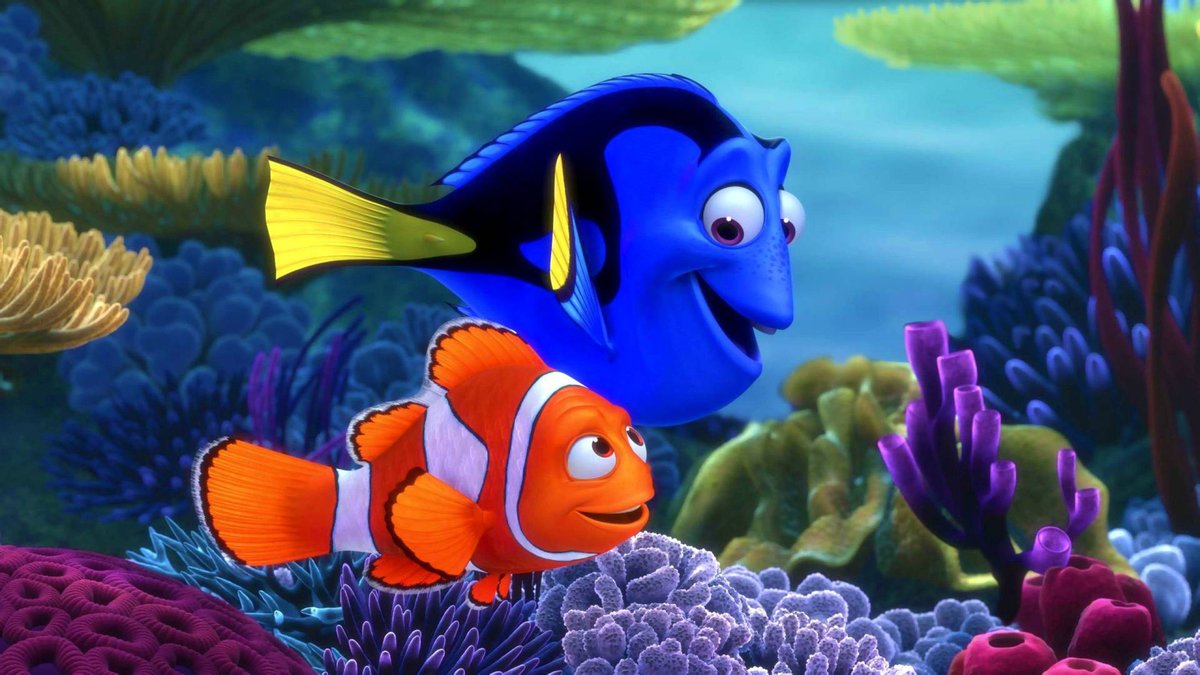
The world fell in love with a plucky little clownfish named Nemo and his overprotective father, Marlin, when Pixar's Finding Nemo swam onto screens. More than just a heartwarming tale of family, friendship, and adventure, this iconic film ignited a global fascination with marine life, turning countless viewers into aspiring aquarists and ocean conservationists. The vibrant characters, from the forgetful Dory to the vegetarian shark Bruce, brought the magic of the ocean into our homes, inspiring us to look closer at the real creatures behind the animation.
This Super Pillar hub will dive deep into the fascinating real-life species that inspired Nemo and his aquatic friends. We'll explore their unique characteristics, understand their true habitats, and even touch on what it takes to care for some of these incredible creatures in your own home aquarium. Get ready to discover the scientific wonders behind the cinematic charm!
The Star of the Show: The Real Nemo Fish
At the heart of Finding Nemo are, of course, Nemo, Marlin, and Coral – all Ocellaris Clownfish (Amphiprion ocellaris). These captivating orange fish, adorned with three distinctive white stripes, truly earned their cinematic fame. They are renowned for their peaceful demeanor and relatively straightforward care requirements, making them a popular choice for beginner aquarists who dream of recreating a piece of the movie magic.
These fascinating creatures are most famous for their unique symbiotic relationship with sea anemones. Clownfish are immune to the anemone's stinging tentacles, using them for shelter and protection from predators. If you're eager to understand more about what makes these fish so special, including their taxonomy, behavior, and why they're such a hit in home aquariums, you'll want to explore the specific traits in our guide to Clownfish Species & Characteristics. Their vibrant colors and engaging personalities make them a truly rewarding species to observe.
Beyond Nemo: A Vibrant Cast of Real Marine Creatures
While the clownfish might be the main attraction, Finding Nemo features a diverse ensemble of marine animals, each with its own real-life counterpart. The film took creative liberties with many characters, but the inspiration from the actual ocean's inhabitants is undeniable.
Dory and the Colorful Reef Dwellers
One of the most beloved characters is Dory, the forgetful Pacific Blue Tang (Paracanthurus hepatus). Her striking blue body, yellow tail, and black "palette" pattern make her instantly recognizable. In reality, while stunning, Dory's species is quite sensitive and prone to diseases like Ich, requiring a much larger and more complex tank than a beginner might anticipate. Similarly, the easily excited Bubbles is a Yellow Tang (Zebrasoma flavescens), a hardy but active fish needing significant swimming space and capable of aggression.
Other inhabitants of the dentist's aquarium include the "Tank Gang":
- Gill, the wise Moorish Idol (Zanclus cornutus), is famously difficult to keep in captivity, a challenge even for expert aquarists due to its specific needs and potential for aggression.
- Gurgle, the timid Royal Gramma Basslet (Gramma loreto), is a much more peaceful and hardy reef fish, known for its distinct half-yellow, half-purple coloration.
- Bloat, the Porcupine Pufferfish (Diodon holocanthus), is an incredible creature that inflates when stressed, but ingesting air can be fatal. They demand large tanks and a specialized diet to manage their continuously growing teeth.
- Deb (Flo), the Striped Damselfish (Dascyllus aruanus), is a beautiful but notoriously aggressive species, requiring careful consideration for tank mates.
- Jacques, the meticulous Pacific Cleaner Shrimp (Lysmata amboinensis), provides a real-life "cleaning service" by removing parasites from other fish.
- Peach, the observant Sea Star (Asteroidea), is an invertebrate, not a fish, with incredible regenerative abilities and tiny eyespots.
- Sheldon and Bob, the Seahorses (Hippocampus genus), are famous for the male's unique role in carrying and birthing the young. While some captive-bred options exist, their care is specific.
The Ocean's Giants and Formidable Predators
The film also brought us face-to-face with some of the ocean's most impressive, and sometimes feared, creatures:
- Bruce, the "friendly" Great White Shark (Carcharodon carcharias), is a powerful apex predator, not typically interested in small fish for dinner. These incredible sharks are solitary and rarely survive long in captivity due to their immense size and need for constant, high-speed swimming.
- Chum, the Shortfin Mako Shark (Isurus oxyrinchus), holds the title of the fastest shark species. Like Bruce, makos are solitary hunters and, unfortunately, are currently endangered.
- Anchor, the Great Hammerhead Shark (Sphyrna mokarran), is recognizable by its distinctive "hammer" shaped head, used for enhanced sensory perception.
- The Barracuda, the predator responsible for Nemo's mother's tragic fate, is indeed a fierce carnivorous fish, though they typically don't target clownfish eggs in reality.
- Mr. Ray, the Spotted Eagle Ray (Aetobatus narinari), with its striking white spots, gracefully glides through the water, foraging on sandy seafloors.
- Crush and Squirt, the Green Sea Turtles (Chelonia mydas), exemplify the awe-inspiring journey of marine reptiles, utilizing ocean currents like the East Australian Current to travel vast distances. They are primarily herbivorous, a unique trait among sea turtles.
- The Blue Whale, depicted in the memorable scene where Marlin and Dory are swallowed, is the largest animal on Earth, but it's a marine mammal, not a fish, feeding on tiny krill through baleen plates. The movie’s portrayal of its internal anatomy was, understandably, not entirely accurate!
Deep Sea Mysteries and Freshwater Friends
Finding Nemo even ventures into the dark, mysterious depths with the terrifying Anglerfish (Lophiiformes order), a real-life deep-sea dweller where females use a bioluminescent lure to attract prey. In contrast, the quirky Mr. Johannsen is a Flounder (Platichthys flesus), a flatfish perfectly adapted to blend into the sandy ocean floor with both eyes on one side of its head.
And for a touch of unexpected humor, Chuckles the Goldfish (Carassius auratus) makes a cameo. It's an important reminder that goldfish are freshwater creatures and would not survive in the saltwater environment of Nemo's world or a marine aquarium.
Bringing the Magic Home: Caring for Your Own Clownfish
The allure of Finding Nemo often inspires people to consider setting up their own marine aquarium, and the Ocellaris Clownfish is frequently the first species on their wish list. While they are indeed a great choice for beginners, understanding their specific needs is crucial for creating a thriving environment. From tank size to water parameters, proper planning is key to their health and happiness.
If you’re dreaming of bringing a piece of the reef into your home, you'll need to know exactly how to prepare the ideal habitat. Our comprehensive guide can walk you through every step, ensuring your aquatic residents thrive: Setting up your clownfish aquarium. This detailed resource covers everything from initial tank cycling to essential equipment.
Beyond the initial setup, the day-to-day well-being of your clownfish depends on consistent, informed practices. From feeding schedules to monitoring water quality and understanding their behavior, becoming an expert involves more than just admiring their vibrant colors. For those ready to embark on the journey of responsible fishkeeping, we encourage you to Learn expert clownfish care Your complete guide will provide invaluable insights into their daily needs, ensuring a long and healthy life for your aquatic companions.
Even with the best care, fish can sometimes encounter health issues. Knowing how to identify common diseases, understanding preventative measures, and having a plan for treatment are essential skills for any aquarist. To help you keep your clownfish in peak condition and address potential problems head-on, familiarize yourself with our practical advice on Here are a few options: Clownfish health and disease management.
Finally, while clownfish are generally peaceful, choosing the right tank mates is vital for a harmonious aquarium. Introducing incompatible species can lead to stress, aggression, or even fatalities. Whether you're planning a community tank or a species-specific setup, understanding which fish can coexist peacefully is paramount. Discover the best companions and learn which species to avoid by consulting our guide to Learn about clownfish tank mates.
Finding Nemo masterfully blended enchanting storytelling with the breathtaking beauty of the ocean's diverse inhabitants. By understanding the real creatures behind the characters, we deepen our appreciation for both the film's artistry and the incredible natural world it represents. May your journey into the world of "Nemo fish" be as exciting and rewarding as Marlin's quest to find his son.