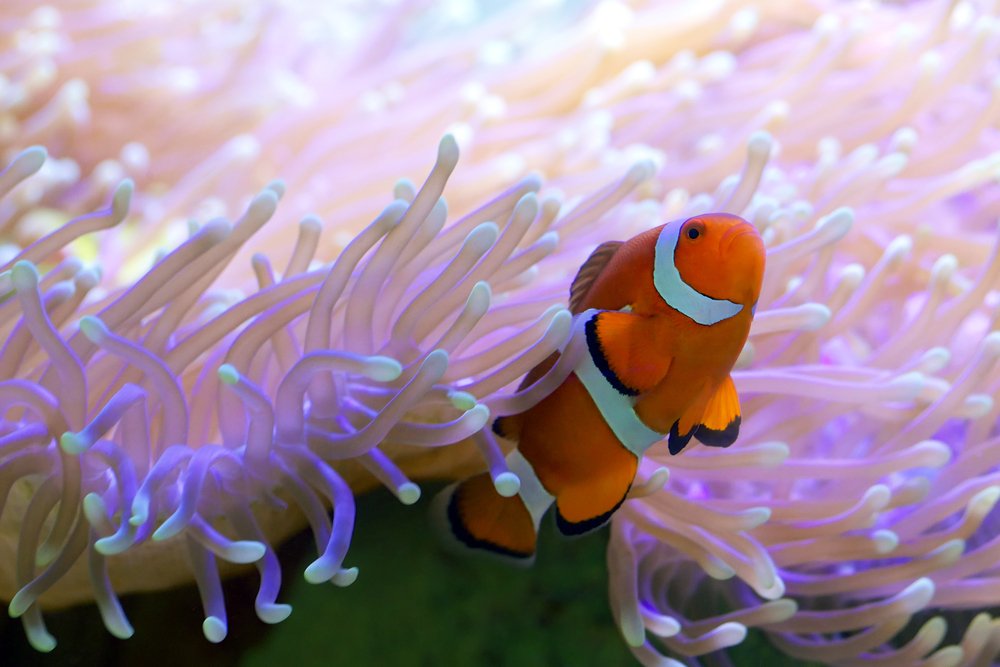
Ah, the clownfish! That unmistakable splash of orange and white, forever etched in our minds as the adorable, anemone-hugging star of the reef. Many of us fall for their charm and decide to bring a pair home, only to soon wonder: who else can live peacefully alongside these captivating creatures?
The journey to a thriving marine aquarium isn't just about picking pretty fish. It's about building a harmonious ecosystem where every resident contributes to the tank's health and visual appeal. When it comes to Clownfish Tank Mates & Compatibility, this means understanding not just their dietary needs, but their personalities, territorial quirks, and how they interact with potential neighbors. Choosing wisely prevents stress, aggression, and heartbreaking losses, ensuring your vibrant reef remains a serene sanctuary.
At a Glance: Your Quick Guide to Clownfish Compatibility
- Personality First: Ocellaris and Percula clownfish are generally peaceful; Maroons are more aggressive.
- Space Matters: Tank size dictates how many and what types of tank mates you can successfully keep. More space equals less stress.
- No Direct Competition: Avoid fish that will compete for the same food, hiding spots, or territory as your clownfish.
- Water Parameters: Ensure all tank mates thrive in the same saltwater conditions (temp, SG, pH).
- Quarantine is Key: Always, always, always quarantine new fish to prevent disease.
- Reef-Safe Choices: If you have corals, confirm potential tank mates won't nip or damage them.
- One Clown Pair: Generally, only keep one clownfish or a bonded pair. Never mix different clownfish species in smaller tanks.
Beyond the Anemone: Understanding Your Clownfish's Vibe
Before you introduce any new finned friends, it's crucial to get a handle on your clownfish's specific temperament. Not all clownfish are created equal. While many people think of them as uniformly docile, there's a significant spectrum of personalities within the family.
The most common species in home aquariums, the Ocellaris (Amphiprion ocellaris) and Percula (Amphiprion percula) clownfish, are generally considered community-friendly. These are the "Nemo" fish, known for their relatively peaceful demeanor and their iconic stripes. They typically get along well with a wide range of other non-aggressive saltwater species, particularly if they are introduced to a sufficiently sized tank that allows for individual territories.
However, if you're keeping Maroon Clownfish (Premnas biaculeatus), you're dealing with a different beast entirely. These larger, often solitary clowns are known for their assertive, even aggressive, personalities. Their "biaculeatus" moniker refers to the prominent spine on their gill plate, which they're not afraid to use. Maroons, especially females, can become quite territorial, particularly as they mature or if kept in smaller tanks. For them, carefully selected, robust tank mates are essential, and often, fewer is better.
Regardless of species, remember that clownfish are territorial, especially if they've bonded to an anemone or a specific rock formation. They will defend their chosen home, so providing ample hiding spots and visual barriers is crucial for all tank inhabitants. You can learn more about these fascinating fish, including their behavior and care, by diving into everything about All about Nemo fish.
The Compatibility Compass: Your 6-Point Checklist for a Peaceful Reef
Successful community tank stocking isn't guesswork; it's a strategic process. Here's a practical checklist to guide your choices, helping you preempt potential conflicts and foster a thriving environment.
1. Temperament Match: Peaceful to Semi-Peaceful Only
This is your golden rule. Clownfish, particularly Ocellaris and Perculas, are not equipped to handle aggressive bullies. Introducing overly assertive fish will stress them out, leading to illness, hiding, and even death.
- Look For: Fish described as "peaceful," "docile," "community-friendly," or "semi-aggressive with caution."
- Avoid: Species known for aggression, territoriality (unless your tank is massive), or nipping at fins.
2. Tank Zone Diversification: Sharing the Space
Imagine a bustling city. If everyone tries to occupy the same street corner, there's chaos. But if some people are in skyscrapers, others in subways, and others in parks, the flow improves. The same applies to your aquarium. Clownfish typically spend their time in the mid-to-upper water column, often near their host anemone (or surrogate).
- Look For: Tank mates that primarily occupy the bottom (gobies, blennies) or upper levels (dartfish, some cardinalfish) of the tank. This minimizes direct competition for swimming space and hiding spots.
- Avoid: Other mid-level, territorial fish that might encroach on your clownfish's preferred zone.
3. Reef-Safe or Not? Protecting Your Corals
If you have a reef tank adorned with beautiful corals, this point is non-negotiable. Many stunning saltwater fish are notorious for nipping at polyps, turning your vibrant coral garden into an expensive buffet.
- Look For: Species explicitly labeled "reef-safe" or "coral-friendly."
- Avoid: Most angelfish (with exceptions), many butterflyfish, and certain wrasses are known coral nibblers. Always research specific species.
4. Water Parameter Harmony: One Home for All
Your aquarium provides a specific set of environmental conditions. Every fish you introduce must be able to thrive within those exact parameters. Clownfish generally prefer:
- Temperature: 72-80°F (22-27°C)
- Specific Gravity: 1.020-1.026
- pH: 8.0-8.4
- Look For: Fish with similar or identical optimal water parameter ranges.
- Avoid: Species requiring vastly different temperatures, salinity, or pH, as this will stress both them and your clownfish.
5. Tank Size & Adult Needs: Growing Room
A common mistake is buying a tiny fish without considering its adult size. A cute little tang can quickly grow into a behemoth that needs hundreds of gallons. Overstocking, even with compatible fish, leads to stress, poor water quality, disease, and aggression.
- Look For: Fish whose adult size and activity level are well-suited for your current tank's volume and footprint.
- Avoid: Species that require significantly larger tanks than you have, or those that are known to be extremely active swimmers in smaller spaces.
6. Food & Resource Competition: Fair Play at Mealtime
Every fish needs to eat without undue stress. If new tank mates are aggressive eaters or compete directly for the same food type, your clownfish might go hungry or become stressed during feeding times.
- Look For: Fish with different feeding habits (e.g., herbivores, omnivores, small carnivores) or those that can easily access food without direct confrontation with your clownfish.
- Avoid: Overly aggressive eaters, or multiple species that rely solely on the exact same food source in a small tank.
The Best Neighbors: Recommended Clownfish Tank Mates
With our compatibility checklist in hand, let's explore some excellent candidates for a peaceful clownfish community. We'll categorize them by their preferred tank zone to help you build a balanced ecosystem.
Peaceful Bottom Dwellers: The Unassuming Ground Crew
These species typically inhabit the sandbed and rockwork, making them perfect complements to mid-level swimming clownfish. They add interest and activity without direct territorial conflict.
- Mandarinfish (Synchiropus splendidus)
- Adult Size: 3-4 inches
- Min Tank Size: 30 gallons
- Why they're great: Absolutely stunning, slow-moving, and primarily feed on copepods found in live rock. They won't compete for food with clownfish. Note: Mandarins are for established tanks with abundant copepods, or require consistent supplemental feeding with live food. Not for beginners.
- Tailspot Blenny (Ecsenius stigmatura)
- Adult Size: 2-2.5 inches
- Min Tank Size: 20 gallons
- Why they're great: Full of personality, these small blennies perch on rocks and sift through sand. They are peaceful, reef-safe, and graze on algae, offering another dimension to your tank.
- Neon Goby (Elacatinus oceanops)
- Adult Size: ~2 inches
- Min Tank Size: 10 gallons
- Why they're great: Tiny, vibrant, and fascinating "cleaner gobies." They are peaceful and will often set up a cleaning station, benefiting other tank inhabitants. Ideal for smaller tanks.
- Court Jester Goby (Amblygobius hectori)
- Adult Size: Up to 3 inches
- Min Tank Size: 10 gallons
- Why they're great: Also known as Hector's Goby, these striped beauties are active sand-sifters, helping to keep your substrate clean. They are peaceful and stay close to the bottom.
- Yellow Watchman Goby (Cryptocentrus cinctus)
- Adult Size: 3-4 inches
- Min Tank Size: 20 gallons
- Why they're great: A true personality fish, often forming a symbiotic relationship with a pistol shrimp. They are peaceful, stay primarily on the bottom, and are fun to watch.
Graceful Mid-Level Swimmers: Adding Flow and Color
These fish add movement to the upper and mid-sections of your tank, but their peaceful nature and different swimming patterns typically prevent conflict with clownfish.
- Magnificent Dartfish (Nemateleotris magnifica)
- Adult Size: ~3 inches
- Min Tank Size: 20 gallons
- Why they're great: Elegant, with a long, flowing dorsal fin. Dartfish are peaceful, hover in the water column, and will retreat into rockwork if startled. They add a touch of sophistication to any reef.
- Pajama Cardinalfish (Sphaeramia nematoptera)
- Adult Size: ~3 inches
- Min Tank Size: 20 gallons
- Why they're great: Known for their striking pattern and large eyes, these nocturnal fish are peaceful and do well in small groups. They typically hover in the middle of the tank, adding unique visual interest.
- Banggai Cardinalfish (Pterapogon kauderni)
- Adult Size: ~3 inches
- Min Tank Size: 30 gallons
- Why they're great: Another captivating cardinalfish, the Banggai is sleek and silver with bold black stripes. They are peaceful, do well in pairs or small groups, and are relatively slow swimmers, unlikely to bother clownfish.
- Royal Gramma (Gramma loreto)
- Adult Size: ~3 inches
- Min Tank Size: 30 gallons
- Why they're great: With its vibrant purple and yellow coloring, the Royal Gramma is an eye-catcher. They are generally peaceful, though can be territorial about their chosen cave. They mainly stick to rockwork and swim in darting motions, adding energy without aggression.
The Advanced Platoon: For Larger, Experienced Setups
These fish can be compatible but require more careful planning, larger tanks, or a bit more experience due to their semi-aggressive tendencies or specialized needs. Always proceed with caution and a clear understanding of their behavior.
- Yellow Tang (Zebrasoma flavescens)
- Adult Size: 7-8 inches
- Min Tank Size: 75 gallons
- Why they're great: Iconic algae grazers that add a brilliant splash of yellow. They are semi-aggressive, especially towards other tangs, but generally coexist with clownfish in larger tanks where ample swimming space and grazing opportunities prevent territorial disputes. A well-fed tang is a happier, less aggressive tang.
- Pygmy Angelfish (Centropyge species)
- Adult Size: 3-4 inches
- Min Tank Size: 55-70 gallons
- Why they're great: Small, colorful angelfish like the Flame, Coral Beauty, or Cherub Angelfish can be beautiful additions. They are semi-aggressive but typically mind their own business. Caution: While many are considered "reef-safe with caution," some individuals may nip at LPS or SPS corals, especially if not well-fed.
- Flame Hawkfish (Neocirrhitus armatus)
- Adult Size: 3-3.5 inches
- Min Tank Size: 40 gallons
- Why they're great: Strikingly red, these fish perch on rocks, observing their surroundings. They are semi-aggressive and can be predatory towards very small invertebrates or tiny fish (like gobies). However, their temperament towards clownfish is generally fine, as they primarily occupy different niches.
- Royal Dottyback (Pictichromis paccagnella)
- Adult Size: ~3 inches
- Min Tank Size: 30 gallons (larger preferred)
- Why they're great: Boasting vibrant purple and yellow, these fish are bold and very territorial. They can be aggressive, especially in smaller tanks, and are not for beginners. If you have an established Maroon clownfish and a very large tank, a Royal Dottyback might work, but it's a gamble. Only consider with significant experience and ample rockwork for defined territories.
The Goldilocks Zone: Tank Size and Stocking Wisdom
Tank size isn't just a number; it's a critical factor in the success of your marine ecosystem. More space equals less stress, better water quality, and happier fish.
20-Gallon Nano Reef: Small but Mighty
This size is perfect for a single Ocellaris or Percula clownfish, or a bonded pair, along with a few very small, peaceful tank mates. Overstocking here is a recipe for disaster.
- Good Choices: Tailspot Blenny, Neon Goby, Court Jester Goby, Magnificent Dartfish, Pajama Cardinalfish, Yellow Watchman Goby.
- Stocking Tip: Focus on one bottom dweller and one mid-level swimmer, in addition to your clownfish. Prioritize small adult sizes and minimal aggression.
55-Gallon Mid-Size Haven: Room to Roam
A 55-gallon aquarium offers significantly more real estate, allowing for a broader mix of peaceful and moderately assertive species. This is a great size for a diverse clownfish community.
- Good Choices: Mandarinfish (established tank only), Banggai Cardinalfish, Royal Gramma, Pygmy Angelfish (with caution for corals), Flame Hawkfish (with caution for tiny inverts).
- Stocking Tip: You can comfortably keep a pair of clownfish and 3-5 additional fish, mixing bottom, mid-level, and advanced options. Ensure plenty of live rock for territories and hiding.
75+ Gallon Grand Community: The Reef Builder's Canvas
In larger aquariums, you have the luxury of accommodating more active or semi-aggressive species, provided you plan meticulously and offer ample space. This is where you can truly build a complex, diverse reef community around your clownfish.
- Good Choices: Yellow Tang, Pygmy Angelfish (with caution), Flame Hawkfish, Royal Dottyback (advanced, only one per tank).
- Stocking Tip: With 75 gallons or more, you can potentially include a Yellow Tang and a greater variety of the recommended species. The key is still smart zoning and providing enough visual breaks with rockwork. For even larger tanks (100+ gallons), you might even consider robust species like certain types of wrasses, but always verify compatibility and temperament.
Red Flags: Fish to Absolutely Avoid with Clownfish
Knowing who to avoid is just as important as knowing who to welcome. Some fish are simply too aggressive, predatory, or incompatible to ever share a tank with your beloved clownfish.
Aggressive Bullies: Triggerfish, Large Damselfish, Groupers
These fish are notorious for their territorial nature and predatory instincts. They will harass, injure, or even eat clownfish, especially smaller ones. Avoid them entirely. Large damselfish, though small themselves, can be incredibly aggressive and territorial.
Predatory/Nipping Fish: Lionfish, Large Hawkfish, Butterflyfish
- Lionfish & Groupers: These are ambush predators that will view your clownfish as a snack. They simply grow too large and have the wrong temperament for a peaceful community.
- Large Hawkfish: While smaller hawkfish like the Flame Hawkfish can work with caution, larger species can be predatory.
- Many Butterflyfish: While beautiful, many species are not reef-safe and have a tendency to nip at corals and other fish.
Clownfish-on-Clownfish Crime: Keep it to One Pair (or One)
- Multiple Maroon Clownfish: Almost universally a bad idea unless in an extremely large, species-specific setup. Maroons are highly aggressive towards other clownfish.
- Mixing Different Clownfish Species in Small Tanks: Even Ocellaris and Perculas can become aggressive towards other clownfish species in tanks under ~75 gallons. It's best to stick to one species pair.
- Adding New Clownfish to an Established Pair: Clownfish form a strict hierarchy. Introducing a new clownfish to an already bonded pair will almost certainly result in severe aggression, typically leading to the death of the newcomer. Always aim for a single clownfish or a naturally bonded pair that grew up together or were introduced simultaneously as juveniles.
The "Clown" Misnomer: Why the Clown Tang is NOT a Clownfish Tank Mate
You might see "Clown Tang" (Acanthurus lineatus) and think, "Oh, another 'clown' fish, must be compatible!" Absolutely not. The Clown Tang is a striking fish, but it is one of the most aggressive and territorial tangs available, and its common name is purely a coincidence with clownfish.
- Size: Clown Tangs reach an adult length of up to 15 inches (38 cm). They require a minimum tank size of 250 gallons (950 liters) and at least six feet of swimming space.
- Temperament: They are highly territorial, especially towards other tangs or similarly shaped fish. They come equipped with razor-sharp peduncle spines for defense.
- Compatibility: While reef-safe, they are far too large and aggressive for any typical clownfish tank. They should be kept as single specimens and only in very large, well-planned setups with robust, non-similar tank mates.
The takeaway: Never choose a fish based on a catchy part of its common name. Always research the full scientific name and specific care requirements.
Smooth Introductions: Best Practices for New Tank Mates
You've done your research and chosen the perfect new resident for your clownfish community. Now, how do you get them into the tank without causing a war? Thoughtful introduction is key.
1. Quarantine is Non-Negotiable
This cannot be stressed enough. A separate quarantine tank (QT) for all new arrivals is your best defense against introducing diseases like Ich, velvet, or Brooklynella into your main display tank. Keep new fish in QT for 2-4 weeks, observing for any signs of illness and proactively treating if necessary. This protects your established clownfish and saves you immense heartache.
2. Stocking Order Matters
Introduce peaceful species first, allowing them to establish territories without pressure. Once they're settled (a few weeks later), you can introduce any semi-aggressive species, as they will be less likely to become dominant if other fish are already established. The Clown Tang, if it were ever a consideration for a massive tank, should always be added last.
3. Rearrange Rockwork
Before introducing a new fish, try subtly rearranging some of your existing rockwork. This disrupts established territories, creating a more neutral environment where your clownfish and the newcomer can stake out new claims simultaneously, reducing initial aggression.
4. Vigilant Monitoring
For the first few days, and even weeks, after introducing a new tank mate, observe interactions closely. Look for:
- Bullying: Chasing, nipping, preventing access to food or hiding spots.
- Stress: Rapid breathing, clamped fins, constant hiding, refusal to eat.
- Physical Injury: Torn fins, body scrapes.
Be prepared to intervene if aggression is persistent or severe. This might mean temporarily removing the aggressor or the new fish.
5. Stable Environment & Consistent Feeding
A healthy, stable environment is less prone to aggression. Ensure your water quality is impeccable, temperature is consistent, and all fish are well-fed. Hungry fish are often aggressive fish. Consistent, appropriate feeding minimizes competition for food.
Your Journey to a Harmonious Reef
Building a peaceful and thriving clownfish tank is a rewarding endeavor. It requires patience, research, and a commitment to understanding the individual needs and temperaments of each inhabitant. By following our compatibility checklist, choosing appropriate tank mates, and introducing them thoughtfully, you're not just creating a collection of fish; you're cultivating a vibrant, mini-ecosystem that brings endless joy and fascination.
Remember, every fish has a personality, and sometimes, despite best efforts, two individuals just won't get along. Be prepared to adapt, learn from your observations, and always prioritize the health and well-being of your clownfish and their community. Your serene slice of the ocean awaits!