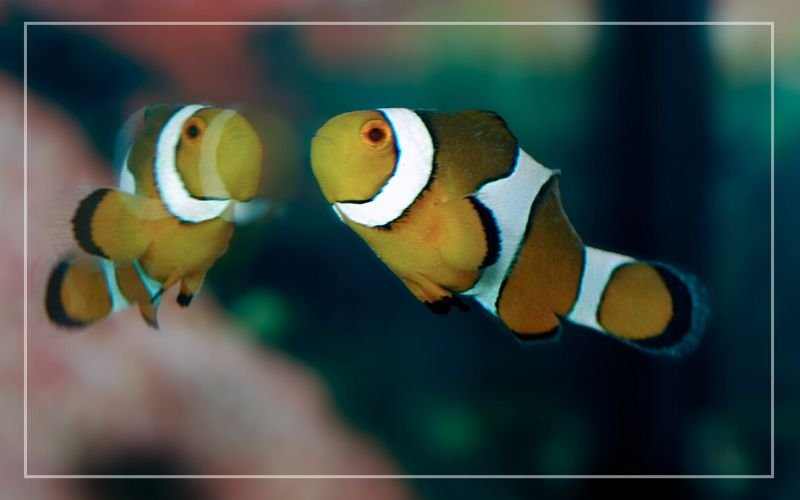
Clownfish, those iconic, charismatic residents of saltwater aquariums, bring vibrant life and playful personalities to our homes. Yet, even these seemingly hardy fish aren't immune to health challenges. Mastering Clownfish Health & Disease Prevention isn't just about reacting when things go wrong; it’s about proactively building a resilient environment where your little Nemo fish can truly thrive, preventing the stress and heartache of a sick tank.
This comprehensive guide will equip you with the knowledge to identify, treat, and most importantly, prevent the most common clownfish ailments. Think of it as your essential playbook for keeping your clownfish fin-flappingly fantastic.
At a Glance: Key Takeaways for Healthy Clownfish
- Prevention is Paramount: Proactive measures like strict quarantine, pristine water quality, and a stable environment are your best defense.
- Observe Daily: Subtle changes in behavior or appearance are often the first signs of trouble. Don't underestimate the power of daily observation.
- Act Fast: Diseases like Brooklynella progress rapidly. Swift action can be the difference between recovery and loss.
- Quarantine Everything: New fish, corals, even live rock can introduce parasites. A dedicated quarantine tank (QT) is non-negotiable.
- Know the Big Two: Familiarize yourself with Ich and Brooklynella symptoms – they are the most common and often deadly threats.
- No Shortcuts: Follow treatment instructions meticulously. Partial or incorrect treatments can do more harm than good.
- Stress is the Enemy: Poor water quality, aggressive tank mates, and sudden environmental shifts weaken immune systems, opening the door for disease.
The Foundation of Flourishing Fins: Understanding Clownfish Resilience
Clownfish, belonging to the Amphiprion genus, are generally considered robust for a marine species. Their natural habitat among anemones provides a degree of protection, and they've evolved strong immune systems. However, the artificial environment of an aquarium, no matter how well-intentioned, introduces unique stressors that can compromise their health.
The key to preventing disease lies in understanding what makes them susceptible. Stress, above all else, is the primary gateway to illness. When a clownfish is stressed, its immune system dips, making it vulnerable to opportunistic pathogens that might otherwise be harmless. This means our focus isn't just on treating disease, but on building a low-stress, stable ecosystem from day one.
Spotting Trouble Early: Your Daily Observation Checklist
Think of yourself as a detective, always on the lookout for clues. Your clownfish will communicate their well-being through their behavior and appearance. Daily, quick check-ins are invaluable for catching problems before they escalate.
What to look for during your daily tank patrol:
- Appetite: Are they eager to eat? A sudden loss of appetite is a significant red flag.
- Swimming Patterns: Are they swimming normally, or are they lethargic, hiding excessively, or hovering unnaturally near the surface or bottom?
- Breathing: Is their gill movement regular and calm, or are they breathing rapidly, gasping at the surface, or rubbing their gills against objects ("flashing")?
- Body & Fins: Check for any spots, patches, cloudiness, excess mucus, frayed fins, or unusual growths. Is their color vibrant, or dull and faded?
- Interaction: Are they interacting with tank mates and their anemone (if present) as usual, or are they withdrawn or acting aggressively?
Any deviation from their normal routine warrants closer inspection. Remember, these fish have an inherent instinct to hide weakness from predators, so by the time symptoms are obvious, the disease might be advanced. Early detection truly saves lives.
The Rogues Gallery: Common Clownfish Diseases & Their Solutions
While prevention is our primary goal, sometimes diseases can still strike. Knowing what you're up against and how to react quickly is crucial. Here are the most prevalent and concerning diseases for clownfish, along with actionable treatment steps.
White Spot Woes: Tackling Clownfish Ich (Ichthyophthirius multifiliis)
Ich, or White Spot Disease, is perhaps the most infamous and widespread parasitic protozoan in the aquarium hobby. It’s an opportunistic attacker, often striking when clownfish are already stressed.
What is Ich?
Caused by Ichthyophthirius multifiliis, Ich is a microscopic parasite that latches onto the skin, fins, and gills of your fish. It has a complex life cycle, spending time as a visible "trophont" on the fish, then detaching to form cysts ("tomonts") that release hundreds of new parasites ("theronts") into the water. This rapid reproduction makes it a formidable foe if not addressed promptly.
Recognizing the Symptoms: Is it Ich?
- "Salt Sprinkles": The most classic sign is the appearance of small, pinhead-sized white spots scattered across the body, fins, and gills, much like your clownfish has been "sprinkled with salt."
- Flashing: Infected fish will often scratch or rub their bodies against tank decorations, substrate, or rocks in an attempt to dislodge the parasites. This is known as "flashing."
- Lethargy & Appetite Loss: Reduced activity levels and a noticeable lack of interest in food are common.
- Respiratory Distress: If parasites infest the gills, you'll see rapid gill movement or gasping at the surface, indicating difficulty breathing.
Unmasking the Triggers: Why Does Ich Appear?
Ich doesn't just materialize out of thin air; it’s almost always introduced or triggered by specific stressors:
- Stress: This is the overarching factor. Poor water quality, sudden temperature or salinity changes, aggressive tank mates, and even the stress of moving to a new tank can weaken a clownfish's immune system, making it vulnerable.
- New Unquarantined Fish: The absolute number one way Ich enters a tank. Introducing new fish without a proper quarantine period is like inviting a pathogen into your home.
- Overcrowding: Too many fish in too small a space leads to elevated stress levels and faster disease transmission.
The Treatment Blueprint: Conquering Ich in a Quarantine Tank (QT)
Treating Ich in the display tank is often impractical and risky, especially with corals or invertebrates. A dedicated quarantine tank is essential.
- Isolate Immediately: Gently net the infected clownfish and transfer them to a bare-bottom 10-20 gallon QT. The QT should ideally have been cycled or set up with a mature sponge filter, a heater, and an air stone for aeration. Critically, match the QT's water parameters (temperature, salinity, pH) to your main tank to minimize transfer stress.
- Slowly Raise Temperature: Over 24 hours, gradually increase the QT temperature to 82-84°F (28-29°C). This accelerates the Ich parasite's life cycle, making it more susceptible to medication as it enters its free-swimming stage.
- Medicate Thoughtfully: Select a saltwater-safe Ich treatment. Products containing malachite green, formalin, or copper are effective.
- Copper: Highly effective but requires careful monitoring with a reliable copper test kit. Clownfish can be sensitive to copper, so use the lowest effective dose and observe closely.
- Malachite Green/Formalin: Often found in combination products (e.g., Seachem Paraguard, API Super Ick Cure). Follow the manufacturer's instructions precisely.
- Warning: Never use freshwater dips on clownfish for Ich treatment. It's incredibly stressful and can strip away their protective mucus layer, causing more harm.
- Daily Water Changes: Perform 10-15% daily water changes in the QT using aged, parameter-matched saltwater. This helps remove free-swimming parasites and dilutes any accumulated medication or waste.
- Duration is Key: Continue treatment for 7-10 days, or for at least a full week after all white spots have disappeared. This ensures you've broken the parasite's life cycle and eliminated all stages.
What about the main tank? While your clownfish are in QT, the main tank should be left fallow (without fish) for at least 6-8 weeks. This starves out any remaining Ich parasites, as they cannot survive without a host.
The Silent Killer: Battling Brooklynella (Brooklynella hostilis)
Brooklynella, often called "Clownfish Disease" or Brooklynellosis, is a devastating protozoan parasite that progresses with terrifying speed. It’s a specific threat to clownfish and can lead to death within 24-48 hours if left untreated.
What is Brooklynella?
Brooklynella hostilis is a microscopic, kidney-bean-shaped parasite that primarily attacks the gills, leading to severe respiratory distress. Unlike Ich, it does not cause white spots. Its rapid onset and high mortality rate earn it the moniker "silent killer."
Recognizing the Symptoms: Act Fast!
Early detection is paramount with Brooklynella. Look for:
- Excess Mucus (Slime Coat): The earliest and most distinguishing sign is thick, cloudy mucus production covering the fish's body. Your clownfish will look "slimy" or "fuzzy," often starting around the head. This mucus can even slough off in strings.
- Fin Deterioration: Fins may appear clamped, frayed, rotting, or even have chunks falling off.
- Color Loss: The vibrant orange of your clownfish will dull and fade.
- Lethargy & Hiding: Affected fish become severely lethargic, hide in unusual spots, or refuse to interact.
- Severe Respiratory Distress: Rapid gill movement or vigorous gasping at the surface is common as the gills become severely compromised.
Unmasking the Triggers: Where Does Brooklynella Come From?
- New, Unquarantined Clownfish: This is the most common introduction method, especially with wild-caught clownfish who are high risk carriers.
- Poor Water Quality: Even low levels of ammonia or sudden parameter fluctuations can stress clownfish enough to allow Brooklynella to take hold.
- Stress & Wounds: Aggression from tank mates, physical injuries, or other stressors weaken the immune system and make fish susceptible.
The Urgent Treatment Plan: Fighting Brooklynella in a QT
There's no time to waste when Brooklynella strikes. Immediate action is critical.
- Immediate Isolation: As soon as you suspect Brooklynella, move the infected clownfish to a QT. Match the QT parameters to your main tank, and ensure extra aeration with an air stone for oxygen support.
- Careful Freshwater Dip (Emergency Measure): Prepare dechlorinated freshwater that matches the QT's temperature and pH exactly. Gently dip the fish in this freshwater for 3-5 minutes, monitoring them very closely. If the fish shows extreme signs of distress (flailing, lying on its side), remove it immediately. This dip can temporarily reduce the parasite load on the fish's body but is not a cure on its own.
- Formalin-Based Medication: Brooklynella is known to resist many Ich treatments. Formalin-based medications (e.g., Formalin-F, Seachem Paraguard) are typically effective. Follow the dosage instructions strictly; formalin is toxic in high concentrations. Some hobbyists also use antibiotics or copper baths in conjunction, but formalin is the primary defense.
- Maintain Stability: Keep the QT temperature steady, ideally around 78-80°F (26-27°C), and meticulously avoid any water parameter fluctuations. Perform 10% daily water changes to maintain water quality and remove shed parasites.
- Support Immune System: Offer small amounts of high-quality, easily digestible food (like frozen mysis shrimp) if the fish is willing to eat. Consider adding vitamin supplements to its food to boost its immune system.
- Duration & Prognosis: If treatment begins very early, recovery is possible within 1-2 weeks. Continue treatment for at least 5 days after all symptoms have disappeared to ensure complete eradication. Be prepared: Brooklynella is highly aggressive, and despite best efforts, it can still be fatal. Daily observation in the QT is absolutely critical.
Other Ailments to Watch For
While Ich and Brooklynella are the top threats, clownfish can occasionally suffer from other issues:
- Fin Rot: A common bacterial infection, often triggered by poor water quality or physical injury.
- Symptoms: Frayed, ragged, or discolored fins (often with red or black edges).
- Treatment: Address underlying water quality issues immediately. Treat with an antibacterial medication (e.g., API Fin & Body Cure) in a QT.
- Uronema: Another highly virulent parasitic disease with symptoms similar to Brooklynella, including white, fuzzy patches, rapid mucus production, and lethargy.
- Treatment: Formalin-based medications and careful freshwater dips (similar to Brooklynella treatment).
- Internal Parasites: Can be introduced via infected food or unquarantined fish.
- Symptoms: Weight loss despite a healthy appetite, bloating, or white, stringy feces.
- Treatment: Anti-parasitic food additives or oral medications containing ingredients like metronidazole (e.g., Seachem Metronidazole).
The Prevention Playbook: Building an Impenetrable Fortress of Health
The best treatment for any disease is to prevent it from happening in the first place. These foundational practices are the bedrock of long-term clownfish health and are crucial for thriving aquarium life.
1. The Golden Rule: Quarantine All New Fish
This cannot be stressed enough: Quarantine is the single most important disease prevention strategy. Every single new fish, coral, invert, or even live rock should spend time in a dedicated quarantine tank (QT) before entering your display tank.
- Duration: A minimum of 2-4 weeks. This period allows you to observe for signs of disease and treat any issues without risking your established population.
- QT Setup: A basic 10-20 gallon tank with a heater, air stone, and a simple sponge filter (already cycled if possible) is sufficient. Avoid substrate and complex décor for easy cleaning and observation.
- Proactive Treatment: Many experienced hobbyists choose to proactively treat new fish in QT for common parasites like Ich and Brooklynella, even if no symptoms are visible. This "preventative treatment" ensures they are disease-free upon introduction.
2. The Lifeline: Maintain Pristine Water Quality
Stable, high-quality water is non-negotiable for clownfish health. Poor water quality directly leads to stress and a weakened immune system.
- Regular Testing: Test your water parameters weekly. Focus on:
- Ammonia & Nitrite: Should always be 0 ppm. Even small traces are highly toxic.
- Nitrate: Keep below 10 ppm (ideally below 5 ppm).
- pH: Stable between 8.0-8.4.
- Salinity: Stable at 1.023-1.025 specific gravity.
- Temperature: Consistent between 76-82°F (24-27°C).
- Consistent Water Changes: Perform 10-15% bi-weekly water changes with properly mixed and aged saltwater. This replenishes essential trace elements and removes accumulated nitrates and other undesirable compounds.
- Reliable Filtration: Ensure your tank has adequate mechanical, biological, and chemical filtration. Regularly clean filter media.
3. Space Management: Avoid Overcrowding
While clownfish are relatively small, they still require adequate personal space to reduce stress and prevent aggression.
- Rule of Thumb: Generally, one pair of clownfish needs a minimum of 20 gallons. If you have a larger tank, consider your overall bio-load.
- Reduced Spread: Less crowding also means slower disease transmission if an outbreak does occur.
4. The Gentle Introduction: Acclimate New Fish Slowly
The transition from a fish store bag to your aquarium is incredibly stressful. Rushing this process can lead to immediate health issues.
- Drip Acclimation: Use the drip acclimation method. This involves slowly dripping your tank water into the fish's bag or bucket over 30-60 minutes (or longer) to gradually equalize temperature, pH, and salinity. This gentle adjustment is vital for their delicate systems.
5. Fueling Immunity: Feed a Balanced and Nutritious Diet
A well-fed clownfish is a healthy clownfish. A varied, high-quality diet strengthens their immune system.
- Variety is Key: Don't just stick to one food. Offer a mix of high-quality marine pellets or flakes, frozen foods (like mysis shrimp, brine shrimp, finely chopped seafood), and even some spirulina or algae flakes.
- Portion Control: Feed small amounts 1-2 times a day, only what they can consume in a few minutes. Overfeeding pollutes the water and can lead to digestive issues.
- Vitamin Boosts: Occasionally soak frozen foods in liquid vitamin supplements designed for marine fish.
6. Serenity Now: Reduce Stress in the Display Tank
Many of the diseases that plague clownfish are opportunistic, meaning they strike when the fish's immune system is compromised by stress. Eliminating stressors is key.
- Hiding Spots: Provide ample live rock, caves, and other decorations where your clownfish can retreat and feel secure. This is especially important for all about Nemo fish, who naturally seek refuge.
- Compatible Tank Mates: Research carefully before adding any new fish. Avoid known aggressive species or those that might bully clownfish.
- Minimize Disturbance: Avoid constantly rearranging décor, making sudden loud noises, or having too much foot traffic around the tank.
- Stable Environment: Beyond water parameters, ensure stable lighting cycles and minimal external vibrations.
When to Call for Backup: Seeking Expert Advice
While this guide provides a strong foundation, there may be times when you encounter an unusual symptom or a persistent problem that baffles you. Don't hesitate to:
- Consult Experienced Hobbyists: Local fish store staff, online forums, and local aquarium clubs are invaluable resources for peer advice.
- Contact a Marine Veterinarian: For severe, undiagnosed, or intractable issues, a veterinarian specializing in aquatic animals can offer professional diagnosis and treatment plans. This is a more costly option but can be life-saving for a prized fish.
Final Thoughts: A Proactive Approach for a Lifetime of Joy
Clownfish are a joy to keep, their quirky personalities and vibrant colors adding undeniable charm to any marine aquarium. By embracing a proactive approach to Clownfish Health & Disease Prevention, you're not just reacting to problems; you're actively cultivating an environment where they can thrive for years to come.
Remember these pillars: rigorous quarantine, pristine water quality, a balanced diet, and a low-stress environment. With these practices firmly in place, you’ll be well on your way to enjoying the vibrant, healthy clownfish you envisioned, making your aquarium a true haven of thriving marine life. Your diligent observation and swift action, coupled with these preventative measures, are the most powerful tools in your arsenal against disease.