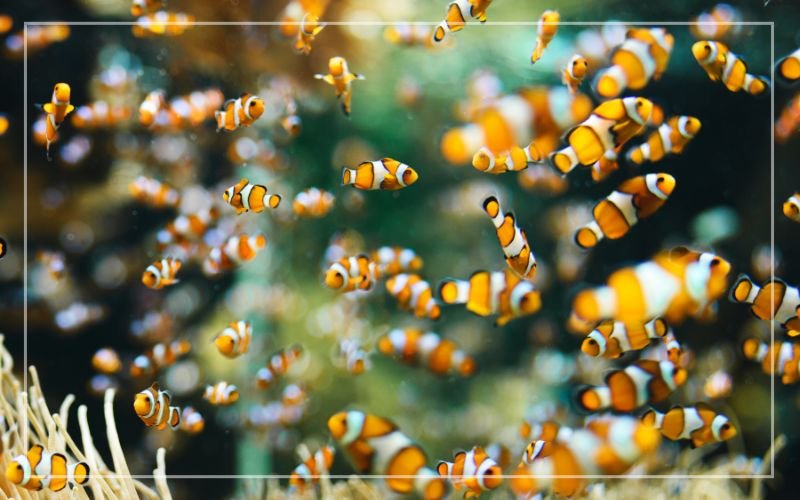
There’s something truly mesmerizing about the vibrant dance of a clownfish, especially when you consider their unique life story. For many marine aquarium enthusiasts, watching these charming fish thrive is a joy, but successfully breeding clownfish in captivity elevates that experience to an entirely new level. It's not just about producing more fish; it's about connecting with the natural world, understanding complex aquatic life cycles, and contributing to sustainable aquaculture.
This guide will walk you through everything you need to know to transform your passion into a thriving, rewarding experience. From setting up the ideal home for your breeding pair to nurturing tiny fry, we’ll cover the practical steps and fascinating biology that make breeding clownfish so captivating.
At a Glance: Your Clownfish Breeding Journey
- Setting the Stage: A dedicated 20-40 gallon tank with stable water parameters, flat egg-laying surfaces, and good lighting is crucial.
- Finding Your Pair: Introduce juvenile clownfish; the largest will become the female, and they'll form a lifelong, monogamous bond.
- The Courtship Dance: Watch for synchronized swimming, surface cleaning, and a thickening female – signs that eggs are coming soon.
- Egg Laying: The female deposits hundreds of eggs on a chosen surface, followed by the male's fertilization.
- Hatching & Fry Care: Eggs hatch in 6-10 days, always at night. Larvae are tiny and require specialized food like rotifers in a separate nursery tank.
- Growing Up: As fry grow, they develop their iconic stripes and can eventually join a larger tank or find new homes.
- Repeat Performance: Once they start, a healthy pair can breed every 10-14 days, offering a continuous cycle of life.
Building the Perfect Love Nest: Setting Up Your Breeding Tank
A successful breeding program starts with the right environment. Think of it as creating a five-star resort specifically designed for clownfish romance. The goal is to provide a low-stress, optimal habitat that encourages natural breeding behaviors.
Choosing the Right-Sized Home
While a 20-gallon tank can accommodate a breeding pair, a 30-40 gallon tank offers more stability and space, which can reduce stress and increase breeding success. A dedicated breeding tank is highly recommended over a community tank. In a community setup, other fish might harass your breeding pair, stress them, or worse, feast on the freshly laid eggs. Keeping your breeders separate ensures their focus remains on what's important: each other and their future offspring.
Mastering the Water Chemistry
Clownfish are sensitive to fluctuations, so consistency is key. Maintaining stable water parameters is paramount for their health and breeding readiness.
- Temperature: Aim for a steady 72-82°F (22-28°C). A good quality aquarium heater with a reliable thermostat will be your best friend here.
- pH: Keep the pH level between 8.1 and 8.4. Regular testing is essential, and consistent water changes with properly mixed saltwater will help maintain this balance.
- Water Quality: Ammonia and nitrites should always be at zero. Nitrates should be kept as low as possible (ideally below 10-20 ppm). Invest in a reliable test kit and perform regular partial water changes to keep these harmful compounds in check. Clean, oxygen-rich water signals a healthy environment conducive to spawning.
Designing for Comfort and Courtship
Your tank’s interior design isn't just for aesthetics; it plays a vital role in your clownfish's well-being and breeding success.
- Hiding Spots: Provide ample live rock, coral, or other structures where your clownfish can feel secure. These serve as retreats from potential stress and help establish territorial boundaries, even in a dedicated pair tank.
- The Spawning Site: Critically, include flat surfaces for egg-laying. This could be a smooth, flat rock, a piece of PVC pipe cut lengthwise, a terracotta pot, or a specialized breeding slate. Clownfish are particular about their spawning site and will clean it meticulously before laying eggs. Having several options might increase your chances of success.
Illuminating Their World
Proper lighting mimics the natural day-night cycle, which is important for regulating clownfish behavior and breeding rhythms. A system combining LED and fluorescent lights can provide the spectrum and intensity needed. Avoid sudden, drastic changes in lighting, as this can stress the fish. A timer can help create a consistent schedule, signaling to your pair when it’s time to rest and when to be active.
Fueling the Flame: A High-Protein Diet
Just like human athletes, breeding fish need peak nutrition. A high-protein diet is essential for bringing clownfish into breeding condition and ensuring the female has the energy to produce viable eggs.
Feed your breeding pair twice daily, offering as much food as they can consume in about two minutes. Excellent choices include live brine shrimp, chopped seafood (like shrimp, squid, or fish), high-quality frozen foods, and nutrient-rich pellet or flake foods. A varied diet ensures they receive all necessary vitamins and minerals. Think of it as preparing them for marathon parenting!
The Courtship and Conception: Witnessing the Magic
Once your breeding tank is established and your clownfish are settled, the fascinating journey towards new life begins. This stage is a testament to the intricate social dynamics and reproductive biology of these popular fish. Many people know clownfish as "Nemo fish," but their breeding habits are far more complex and interesting than cartoon portrayals might suggest. If you're curious to learn more about all about Nemo fish, you'll find their lifecycle truly captivating.
Selecting Your Perfect Pair
Clownfish have a unique social structure. They are protandrous hermaphrodites, meaning they are born male and can change sex to female.
- Start with Juveniles: The best way to form a breeding pair is to introduce two juvenile clownfish.
- Size Matters: The larger of the two will become the dominant female, while the smaller will remain the submissive male. This natural hierarchy is crucial for successful pairing. If you introduce two fish of similar size, it may take longer for the hierarchy to establish, and aggression could be an issue.
- Bonding for Life: Clownfish are monogamous and, once paired, they typically mate for life. This strong bond is a beautiful aspect of their biology.
Reaching Maturity: Patience is a Virtue
Don't expect immediate results. Clownfish typically reach breeding maturity between 1.5 to 2 years of age. During this time, continue to provide optimal conditions and a nutritious diet, and simply enjoy watching them grow and bond.
The Dance of Love: Courtship Behaviors
When your pair is ready to breed, you’ll notice distinct courtship behaviors. These can be quite endearing to observe:
- Synchronized Swimming: The pair will often swim side-by-side, frequently vibrating their bodies or "quivering."
- The Spawning Site Prep: They will pay special attention to a chosen flat surface, meticulously cleaning it with their mouths and fins. This is a clear sign that egg-laying is imminent.
- Female's Transformation: You'll notice the female's midsection becoming noticeably thicker, a sure indicator that she's laden with eggs and ready to spawn.
Laying and Fertilizing the Eggs
This is the pinnacle of the breeding process.
- Egg Laying: The female will lay a clutch of eggs directly onto the cleaned flat surface. Depending on the species and the female's size, a single clutch can range from 100 to an impressive 1000 eggs! The eggs are typically oval-shaped and orange-to-red in color, firmly attached to the substrate.
- Fertilization: Immediately after the female lays the eggs, the male will pass over them, spraying them with milt (sperm) to fertilize them. He'll typically make several passes to ensure thorough fertilization.
Nurturing the Next Generation: From Egg to Juvenile
Once the eggs are laid and fertilized, the real work for the parents – and soon, for you – begins. This stage requires careful observation and swift action to ensure the survival of the delicate fry.
The Dedicated Parents: Egg Care
For the next 6-10 days, the male clownfish takes on the primary role of guarding and caring for the eggs. He will diligently fan them with his fins to provide fresh, oxygenated water and gently clean them to prevent fungus or bacteria from growing. You might even see him picking off non-viable eggs. The color of the eggs will change over this period, often darkening as the embryos develop. Just before hatching, you might even see tiny eyes visible through the egg casings.
The Big Night: Hatching
Clownfish eggs always hatch in the evening or during the night, typically 6-10 days after being laid. It’s common for a clutch to hatch over two consecutive nights. This nocturnal hatching is a natural defense mechanism, allowing the tiny, vulnerable larvae to emerge under the cover of darkness, away from potential predators.
The Tiny Miracles: Larva (Fry) Care
Clownfish larvae are incredibly small, delicate, and require specialized attention to survive. This is where most aspiring breeders face their biggest challenge and opportunity for success.
- Dedicated Nursery Tank: To maximize survival rates, it's essential to set up a separate nursery tank for the fry. You can either gently collect the eggs just before they hatch and move them, or you can use a breeding trap within the main aquarium for a short period to catch the newly hatched fry. A small, bare-bottom tank (around 5-10 gallons) is ideal, with gentle aeration (a sponge filter works well) and no strong currents.
- The Green Water Method: A crucial technique for fry survival is to tint the nursery tank water with liquid algae (phytoplankton) to a light green color. This green water provides the initial microscopic food source for rotifers, which are the primary food for the newly hatched clownfish larvae.
- Microscopic Meals: Clownfish larvae are too tiny to eat adult clownfish food. Their mouths are microscopic, requiring a constant supply of living, equally tiny food.
- Rotifers: These are the first food source. You'll need to culture rotifers yourself or purchase them regularly. They are small enough for the newly hatched fry to consume.
- Phytoplankton: This microscopic algae serves as food for the rotifers, ensuring a continuous supply of nutritious meals for your fry.
- Maintaining Optimal Conditions: Just like their parents, fry need pristine water. Perform very small, frequent water changes (siphoning waste from the bottom) and monitor parameters meticulously. Their small size makes them incredibly susceptible to poor water quality.
- Rapid Growth, Varied Diet: As the larvae grow, their dietary needs will evolve. After a few days on rotifers, you can gradually introduce newly hatched brine shrimp nauplii, which are slightly larger. A varied diet promotes rapid growth and overall health.
The Journey to Independence: Juvenile Stage and Beyond
Watching your tiny, translucent larvae transform into miniature versions of their parents is truly rewarding. This stage marks their transition to independence and the opportunity for them to find new homes or join a larger display tank.
Developing Those Iconic Stripes
As the larvae grow and mature, they undergo a fascinating metamorphosis. Their bodies will gradually fill out, and they will begin to develop their distinctive orange-and-white stripes, a hallmark of their species. This transformation takes several weeks, depending on growth rate and species.
Ready for the World
Once your clownfish juveniles reach 1-2 inches in size, they are robust enough to be transferred to a larger community tank. At this point, they can also be sold to local fish stores or other enthusiasts, marking the successful culmination of your breeding efforts. This cycle can then repeat.
Unpacking Clownfish Breeding Dynamics: Your Questions Answered
Breeding clownfish comes with its own set of fascinating dynamics and common questions. Understanding these aspects will help you be a more prepared and successful breeder.
How Often Do They Breed?
Once a pair begins breeding and conditions remain optimal, they can be remarkably prolific. It's common for a healthy pair to reproduce every 10-14 days, providing a continuous supply of eggs and fry for you to raise. This frequent spawning cycle is why they are considered one of the easier marine fish to breed in captivity.
Is Breeding Clownfish Difficult?
Compared to many other marine fish, breeding clownfish is considered relatively simple. The "difficulty" lies more in the meticulous attention required for feeding the delicate larvae and maintaining stable water parameters throughout their life cycle. With proper knowledge, consistent effort, and a keen eye, success is well within reach.
Why Do Male Clownfish Sometimes Eat the Eggs?
Observing a male clownfish eat the eggs can be disheartening, but it's often a natural behavior or a sign of an underlying issue:
- Non-Viable Eggs: Males will often consume unfertilized or unhealthy eggs. This prevents fungus and bacteria from spreading to the healthy eggs in the clutch, acting as a natural quality control measure.
- Stress: If the breeding pair is stressed, the male might eat the eggs. Stress can be caused by fluctuating water parameters, sudden light changes, or the presence of aggressive tank mates (another reason for a dedicated breeding tank).
- Underfeeding: A male who isn't receiving enough nutrition might resort to eating the eggs to supplement his diet. Ensuring a high-protein diet for your breeding pair is crucial.
Maintaining a low-stress environment and providing ample, nutritious food are your best defenses against egg consumption.
Are Clownfish "Pregnant"?
No, clownfish are not live-bearing fish. Females do not become "pregnant" in the mammalian sense. Instead, they produce and lay eggs externally, which are then fertilized by the male. This process is called oviparity.
Monogamy, Sex Change, and Offspring Mating: A Family Affair
Clownfish exhibit some truly unique social and reproductive traits:
- Monogamous & Mating for Life: In a group of clownfish, there is one dominant female and one non-dominant breeding male. They form a strong, lifelong pair bond.
- Protandrous Hermaphrodites: All clownfish are born male. If the dominant female dies, the existing non-dominant male will undergo a fascinating transformation, changing into a female. This process typically takes about two weeks. The next largest male in the group will then step up to become the new breeding male. This remarkable ability ensures the continuation of the breeding pair within the social structure.
- Mating with Offspring: While not ideal in a controlled breeding program where genetic diversity is prioritized, it is biologically possible for clownfish to mate with their offspring if circumstances in the wild or in a confined aquarium dictate it. Their strong hierarchical and sex-changing dynamics make this a rare but possible occurrence.
Replacing a Breeding Partner
If you lose a breeding partner, especially the female, and need to introduce a new fish to maintain your pair, a few tips can help minimize aggression:
- Size it Right: Always introduce a smaller clownfish than the one remaining. If you're replacing a female, introduce a smaller male. If you're replacing a male, introduce an even smaller clownfish that will naturally assume the male role.
- Introduce at Night: Adding a new fish to the tank at night, when the existing resident is less active and aware, can help reduce initial aggression and allow the new fish to settle in before the next day.
- Observe Closely: Monitor the interactions between the fish carefully for the first few days. Some initial chasing or posturing is normal as they establish their new hierarchy, but excessive aggression requires intervention.
Your Next Steps into a Fulfilling Hobby
Breeding clownfish in captivity is a journey that offers deep satisfaction, from the meticulous preparation of a breeding tank to the wonder of seeing tiny fry hatch and grow. It demands patience, attention to detail, and a commitment to understanding the needs of these incredible creatures, but the rewards are immeasurable.
By providing a stable, high-quality environment and a nutritious diet, you're not just creating a space for fish; you're fostering life. Whether you aim to supply local fish stores, share with fellow enthusiasts, or simply enjoy the spectacle of life unfolding in your home, the knowledge and experience you gain will enrich your understanding of marine biology and the delicate balance of aquatic ecosystems. Dive in, and prepare for a truly rewarding chapter in your aquarium hobby.